Understanding Business Card Holder Laser Cut Files and Their Practical Use
In today’s fast-paced business world, organization is key to maintaining a professional image. One simple yet effective way to keep things in order is by using a business card holder. These small but impactful tools help individuals manage their contacts efficiently. However, when it comes to creating custom business card holders, especially for office or retail use, many turn to laser cutting technology for precision and elegance. This article explores the concept of business card holder laser cut files, how they work with laser cutting machines, and why they are becoming increasingly popular across various industries.
What Are Business Card Holder Laser Cut Files?
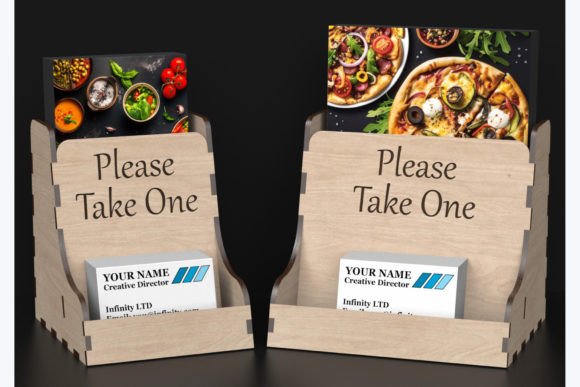
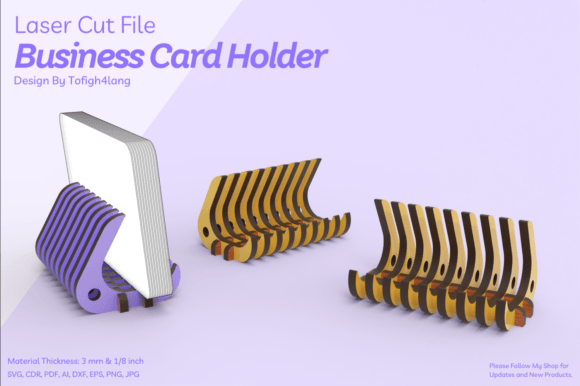
A business card holder laser cut file is a digital design template specifically formatted for use in laser cutting machines. It contains vector-based instructions that guide the machine on where to cut, engrave, or etch the material to create a functional and aesthetically pleasing cardholder. These files are typically created using design software such as Adobe Illustrator, CorelDRAW, or AutoCAD and saved in compatible formats like AI, CDR, DXF, EPS, PDF, SVG, and sometimes even PNG or JPG for visual reference.
The most common size used as a reference in these designs is a 3 cm x 3 cm red square, which helps users ensure that the actual dimensions of the final product remain consistent. Since some design software may automatically scale your project, it's crucial to manually verify and disable any scaling features to maintain accuracy. If you're unsure about this process, don’t hesitate to reach out for direct assistance — preserving correct measurements is vital for the functionality of your cardholder.
Why Use Laser-Cut Business Card Holders?
Laser-cut business card holders offer several advantages over traditional methods:
- Precision and Consistency: Laser cutting ensures exact cuts every time, resulting in uniform and high-quality cardholders.
- Customization: With laser-cutting, you can personalize your cardholder with unique patterns, logos, or text tailored to your brand or event.
- Versatility in Materials: These files are suitable for materials like wood, acrylic, and other sheet materials commonly used in laser cutting. They accommodate standard thicknesses such as 3 mm or 1/8 inch, making them ideal for a wide range of applications.
- Clean and Professional Aesthetic: The clean edges and intricate detailing achievable with lasers make these cardholders visually appealing and suitable for professional environments.
How Do Laser-Cut Files Work with Laser Cutting Machines?
To produce a physical cardholder from a digital design, you need to understand how laser-cutting vector models interact with the machine:
- Select the Right File Format: Ensure your design is in a compatible format such as AI, CDR, or DXF. These vector-based files allow the laser to follow precise paths without distortion.
- Check Software Settings: Some design programs automatically scale objects unless specified otherwise. Always confirm that your settings are set to prevent unintentional resizing. Pay special attention to the 3 cm x 3 cm red square reference to validate the scale before exporting the file.
- Prepare the Material: Choose an appropriate material based on your needs. Acrylic offers a sleek, modern look, while wood provides a warm, natural feel. Make sure the material thickness matches the design specifications (usually 3 mm or 1/8 inch).
- Load and Align the Design: Import the file into the laser cutting software, align it correctly on the material surface, and adjust the power and speed settings according to the material type.
- Execute the Cut: Once everything is set, run the laser cutting machine. The result will be a precisely cut business card holder ready for use or further finishing.
Practical Applications of Laser-Cut Business Card Holders
Laser-cut business card holders are not limited to just offices. Their versatility makes them suitable for various settings:
- Office Environments: In corporate offices, having neatly arranged business cards on your desk reflects professionalism. These holders also serve as decorative elements that reinforce company branding.
- Retail Stores: Many stores use cardholders at checkout counters or information desks to provide customer contact details, loyalty cards, or promotional materials.
- Clinics and Hospitals: Medical professionals often use cardholders to store patient information, appointment reminders, or referral cards.
- Hotels and Hospitality: Concierge desks benefit from organized card displays for guest services, room keys, or event schedules.
- Meeting Rooms and Event Spaces: During conferences or networking events, having a designated place for attendees to collect or leave business cards is essential.
- Home Use: Whether for personal contacts, social media QR codes, or DIY projects, these cardholders bring order to home spaces like study rooms or living areas.
Examples of Real-World Usage
Imagine walking into a boutique hotel lobby and seeing a beautifully crafted wooden cardholder displaying event brochures and local attraction maps. Or picture a startup office where each employee has a personalized acrylic holder with their name engraved — not only practical but also a subtle branding tool.
Another example could be a dental clinic using laser-cut cardholders to distribute hygiene tips or upcoming seminar dates. In all these cases, the cardholders are more than just storage solutions; they contribute to the overall experience and perception of the environment.
Designing Your Own Laser Cut Business Card Holder
Creating a custom business card holder requires careful planning and understanding of the design process. Here are some tips to get started:
- Measure Twice, Cut Once: Before finalizing your design, double-check the dimensions. Even minor inaccuracies can affect the fit and usability of the cardholder.
- Include a Reference Square: The presence of a 3 cm x 3 cm red square in your design acts as a calibration point, ensuring the rest of the piece maintains its intended proportions.
- Choose the Right Software: Not all design software is equal when it comes to laser cutting. Programs like Adobe Illustrator or CorelDRAW offer advanced vector controls necessary for precise outputs.
- Test with Sample Materials: Before mass-producing, test your design on a scrap piece of the same material to identify any potential issues with depth or alignment.
- Optimize for Clarity: Avoid overly complex designs that might confuse the laser or compromise structural integrity. Simpler, cleaner lines usually yield better results.
Common Misunderstandings and How to Avoid Them
Despite their popularity, there are a few misconceptions about using laser-cut files for business card holders:
- Misconception 1: Any image file works for laser cutting.
Reality: Only vector-based files (like AI or DXF) are suitable for precise laser cutting. Raster images (JPGs or PNGs) lack the scalability needed for accurate cuts. - Misconception 2: Automatic scaling won’t affect the final product.
Reality: Most design software scales automatically, which can distort the design. Always disable automatic scaling and confirm the reference square is preserved at 3 cm x 3 cm. - Misconception 3: Thicker materials always produce better results.
Reality: While thicker materials may appear sturdier, they require more power and precision. Stick to recommended thicknesses (e.g., 3 mm or 1/8 inch) to avoid complications during the cutting process.
Choosing the Right File Format for Laser Cutting
When selecting a file format for your laser cutting project, consider the following options and their best uses:
- AI (Adobe Illustrator): Best for detailed vector art and scalable graphics. Ideal if you’re working with illustrations or want to add text or logos later.
- CDR (CorelDRAW): Similar to AI, this format is excellent for those who prefer CorelDRAW as their primary design tool.
- DXF: Widely supported by laser cutting machines and CAD software. Great for technical drawings and architectural-style designs.
- EPS and SVG: Both support vector graphics and are useful for transferring artwork between different design platforms without losing quality.
- JPG/PNG: Useful for previewing the final look or adding engraved images, but not for precise cutting due to their raster nature.
Each format has its strengths, so choose one that fits both your design capabilities and the requirements of your laser cutting machine. For maximum compatibility and ease of use, DXF is often the safest bet, especially for beginners.
Enhancing Creativity Through Laser Cutting
Beyond basic functionality, laser-cut business card holders open the door to creative expression. You can incorporate geometric shapes, floral motifs, or abstract designs depending on your preference or the theme of your space. For instance, a tech startup might opt for minimalist, angular designs, while a wedding planner might prefer elegant, floral patterns.
This level of customization allows businesses and individuals to reflect their identity through physical objects. A well-designed cardholder can become a conversation starter or a memorable take-home item for clients and guests alike.
Business Card Holders in Modern Life and Work
As we move toward more digital interactions, the physical exchange of business cards remains relevant in certain contexts. Whether at trade shows, client meetings, or in-person networking events, having a neat and accessible way to present your cards is still valued. A laser-cut business card holder serves as a bridge between tradition and innovation — offering a classic method of sharing information with a modern, customizable twist.
Moreover, the rise of remote work and hybrid setups means people are now managing multiple workspaces. A portable or desktop-friendly cardholder helps maintain order whether you're working from home, a co-working space, or the office. It’s also a great way to organize promotional cards, membership passes, or even gift cards for easy access.
Technology Meets Craftsmanship
The beauty of laser cutting lies in its ability to merge technological precision with artisanal craftsmanship. Unlike traditional hand-carving or manual cutting, laser technology allows for consistent, repeatable designs while retaining the tactile quality of the material. This makes it perfect for small businesses looking to produce branded merchandise affordably and efficiently.
For educators or hobbyists, laser-cut cardholders can also be part of larger DIY kits or classroom projects, teaching students about design principles, manufacturing techniques, and the importance of measurement accuracy in production.
Final Thoughts on Laser Cut Business Card Holders
Using a business card holder laser cut file is an efficient and stylish way to manage your business cards and merchandise. These digital templates empower users to create custom, professional-grade organizers that suit their specific needs and aesthetic preferences. From offices to homes and from clinics to hotels, the utility of these cardholders is vast and growing.
By understanding the importance of file formats, disabling automatic scaling, and using the red square reference for dimensional accuracy, anyone can successfully produce a laser-cut cardholder. Whether you're new to laser cutting or an experienced designer, taking the time to learn these fundamentals ensures a successful outcome every time.
If you ever find yourself unsure about the setup or have trouble achieving the right dimensions, remember that expert guidance is available. Don’t hesitate to reach out directly for immediate assistance — after all, precision is what sets apart a good design from a great one.